Presencia territorial registrada
Buenaventura, Dagua (costa pacífica)
Ver mapa territorial
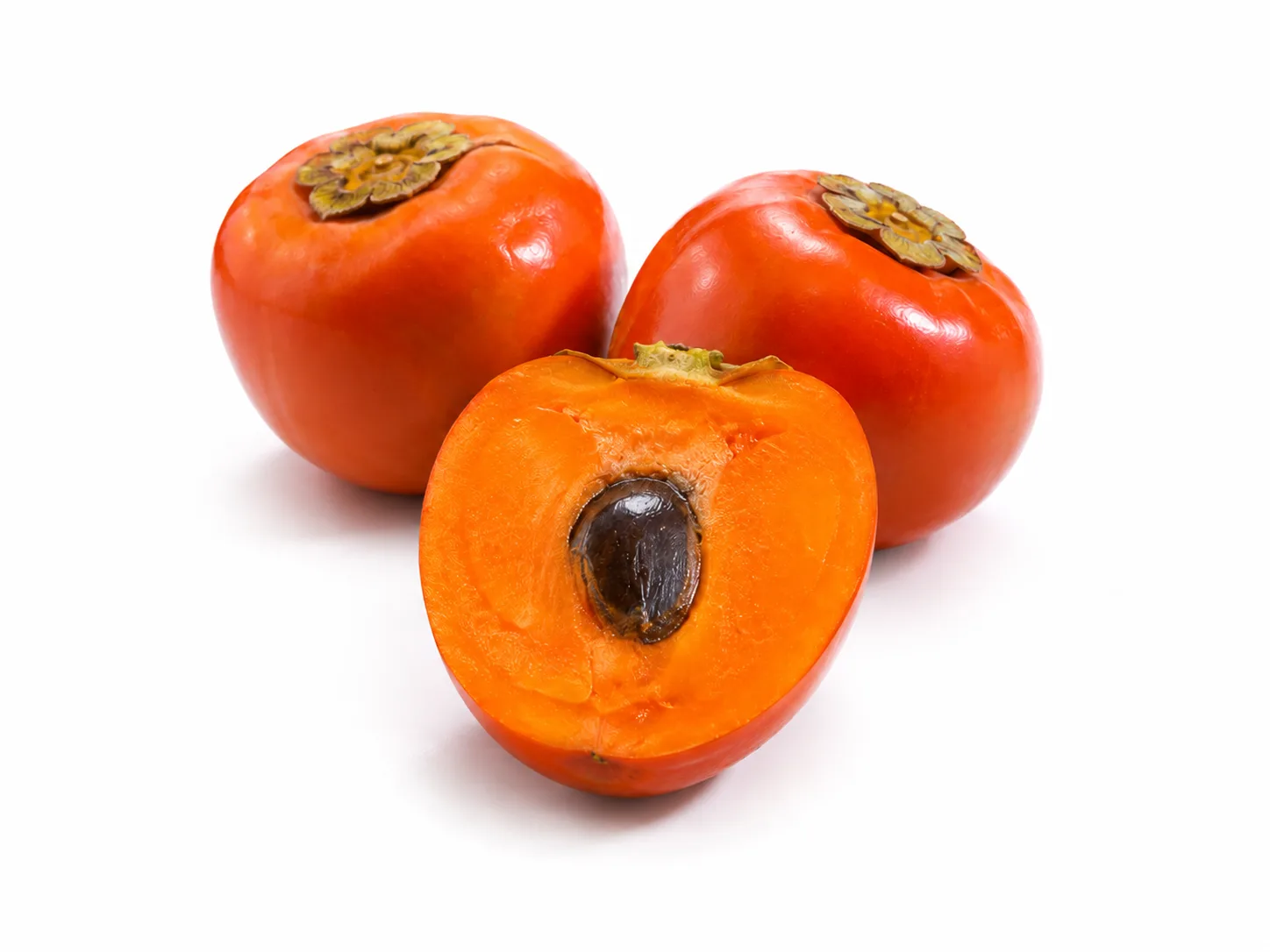
Bactris gasipaes
La informacion esta organizada para pasar de la identificacion de la especie a su territorio, sus partes, preparaciones y procedencia del saber. Asi la ficha funciona como material de consulta y como guia para actividades de aula, huerta o cocina.
Información detallada sobre origen, propiedades, condiciones y usos.
Chontaduro (Bactris gasipaes), también conocida como pejibaye, pixbae es una especie nativa de la familia Arecaceae. En el Valle del Cauca se reporta apta para Buenaventura, Dagua (costa pacífica). Se desarrolla mejor en 0-800 msnm, muy húmedo y se usa principalmente en cocido con sal, jugos, pastel.
Región Amazónica
Buenaventura, Dagua (costa pacífica)
0-800 msnm, muy húmedo
Aporta carbohidratos, fibra y carotenoides, además de minerales; se considera un fruto altamente nutritivo dentro de la tradición alimentaria del Pacífico.
Tradicionalmente se le atribuyen efectos energizantes y, en algunas comunidades, propiedades afrodisíacas; también se resalta su aporte antioxidante.
Se consume de forma fresca y en bebidas, dulces, conservas o postres dentro de las prácticas alimentarias regionales. También recibe los nombres de pejibaye, pixbae. En el documento se registra su uso culinario en cocido con sal, jugos, pastel.
Cocido con sal, jugos, pastel
Ubicacion pedagogica de la especie y recurso de consulta rapida para recorridos de aula o divulgacion.
Buenaventura, Dagua (costa pacífica)
Ver mapa territorial
Permite abrir esta ficha desde materiales impresos, huertas, muestras pedagogicas o estaciones de exploracion.
Que relacion tiene esta especie con el territorio, la alimentacion familiar y las recetas registradas? Usa esta pregunta para orientar la lectura de la ficha y la conversacion con la comunidad.
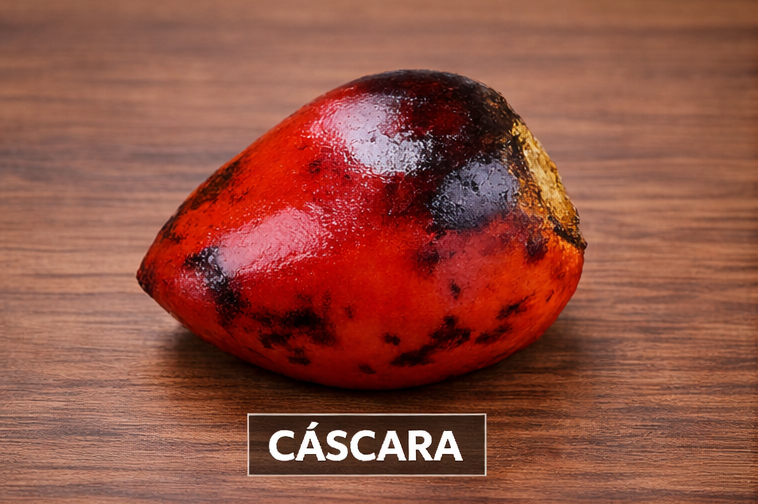
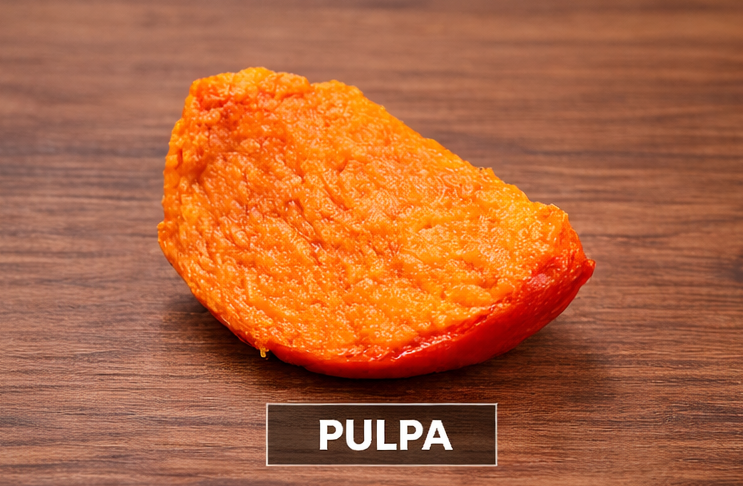
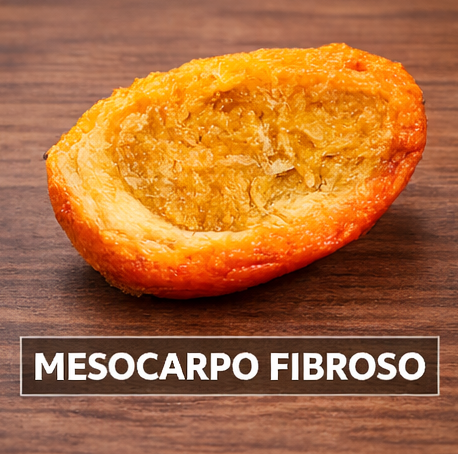
Las partes emergen desde el centro y puedes explorarlas visualmente de forma más inmersiva.
Recorre cada parte de la especie con imágenes, descripción y relación con la ficha principal.
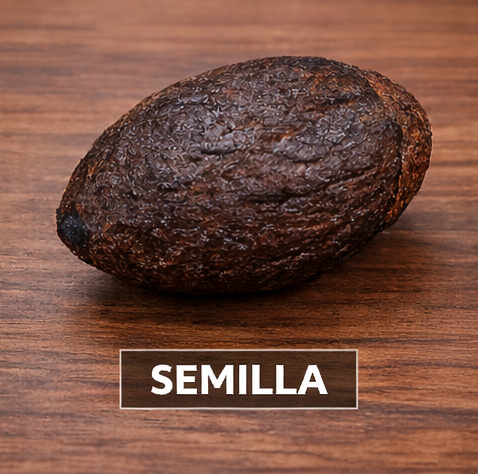
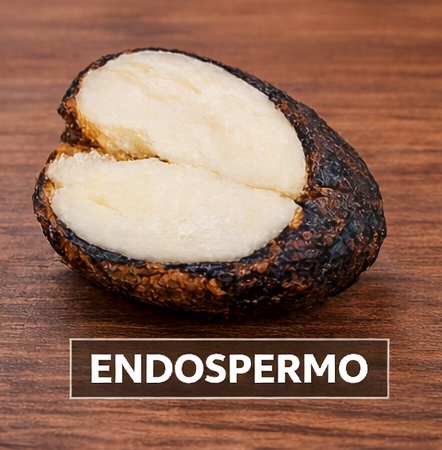
Lorem Ipsum is simply dummy text of the printing and typesetting industry. Lorem Ipsum has been the industry's standard dummy text ever since the 1500s, when an unknown printer took a galley of type and scrambled it to make a type specimen book. It has survived not only five centuries, but also the leap into electronic typesetting, remaining essentially unchanged. It was popularised in the 1960s with the release of Letraset sheets containing Lorem Ipsum passages, and more recently with desktop publishing software like Aldus PageMaker including versions of Lorem Ipsum.
Lorem Ipsum is simply dummy text of the printing and typesetting industry. Lorem Ipsum has been the industry's standard dummy text ever since the 1500s, when an unknown printer took a galley of type and scrambled it to make a type specimen book. It has survived not only five centuries, but also the leap into electronic typesetting, remaining essentially unchanged. It was popularised in the 1960s with the release of Letraset sheets containing Lorem Ipsum passages, and more recently with desktop publishing software like Aldus PageMaker including versions of Lorem Ipsum.
Lorem Ipsum is simply dummy text of the printing and typesetting industry. Lorem Ipsum has been the industry's standard dummy text ever since the 1500s, when an unknown printer took a galley of type and scrambled it to make a type specimen book. It has survived not only five centuries, but also the leap into electronic typesetting, remaining essentially unchanged. It was popularised in the 1960s with the release of Letraset sheets containing Lorem Ipsum passages, and more recently with desktop publishing software like Aldus PageMaker including versions of Lorem Ipsum.
Lorem Ipsum is simply dummy text of the printing and typesetting industry. Lorem Ipsum has been the industry's standard dummy text ever since the 1500s, when an unknown printer took a galley of type and scrambled it to make a type specimen book. It has survived not only five centuries, but also the leap into electronic typesetting, remaining essentially unchanged. It was popularised in the 1960s with the release of Letraset sheets containing Lorem Ipsum passages, and more recently with desktop publishing software like Aldus PageMaker including versions of Lorem Ipsum.
Lorem Ipsum is simply dummy text of the printing and typesetting industry. Lorem Ipsum has been the industry's standard dummy text ever since the 1500s, when an unknown printer took a galley of type and scrambled it to make a type specimen book. It has survived not only five centuries, but also the leap into electronic typesetting, remaining essentially unchanged. It was popularised in the 1960s with the release of Letraset sheets containing Lorem Ipsum passages, and more recently with desktop publishing software like Aldus PageMaker including versions of Lorem Ipsum.
Registro fotográfico complementario asociado a la especie.
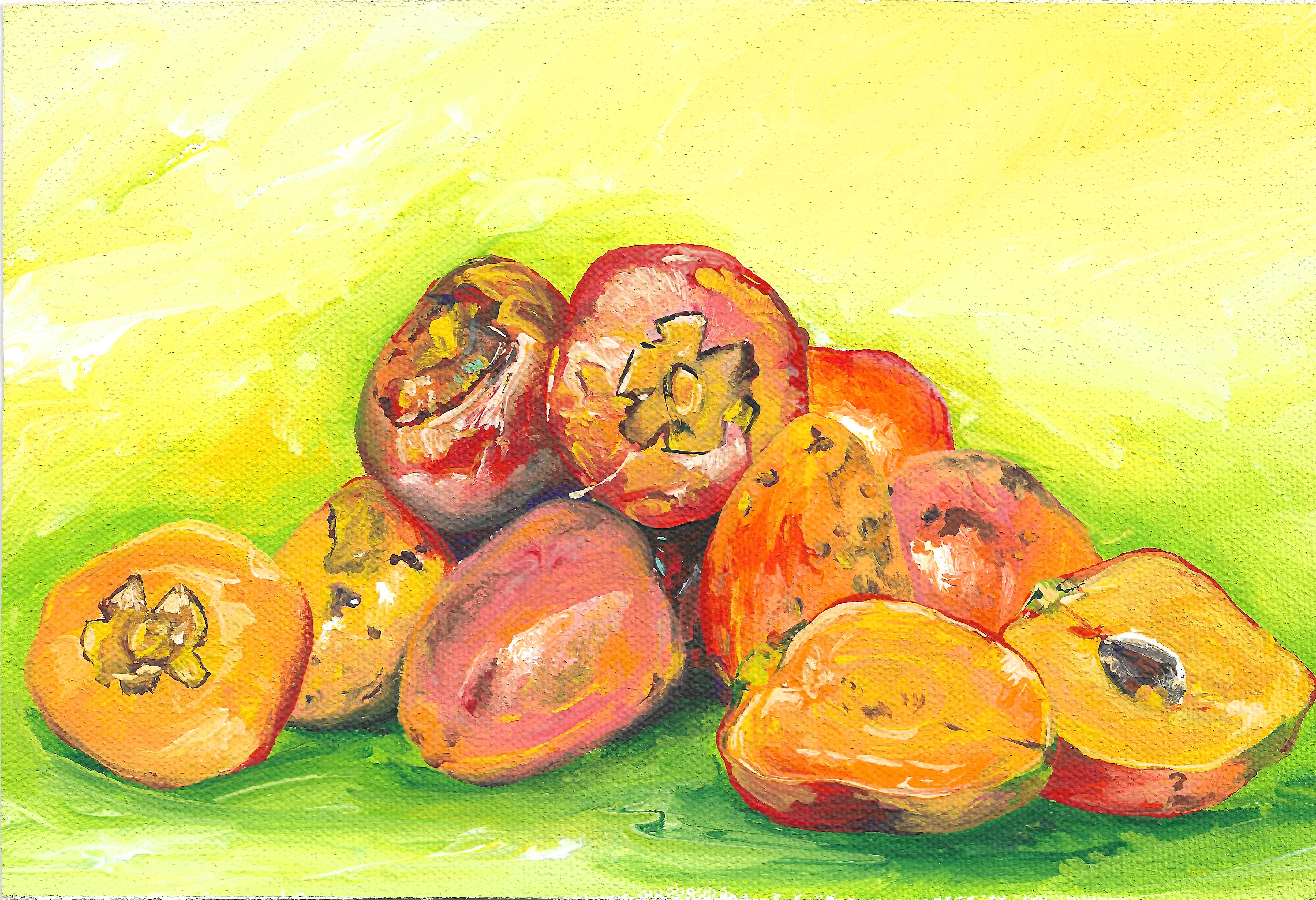 Figura en oleo
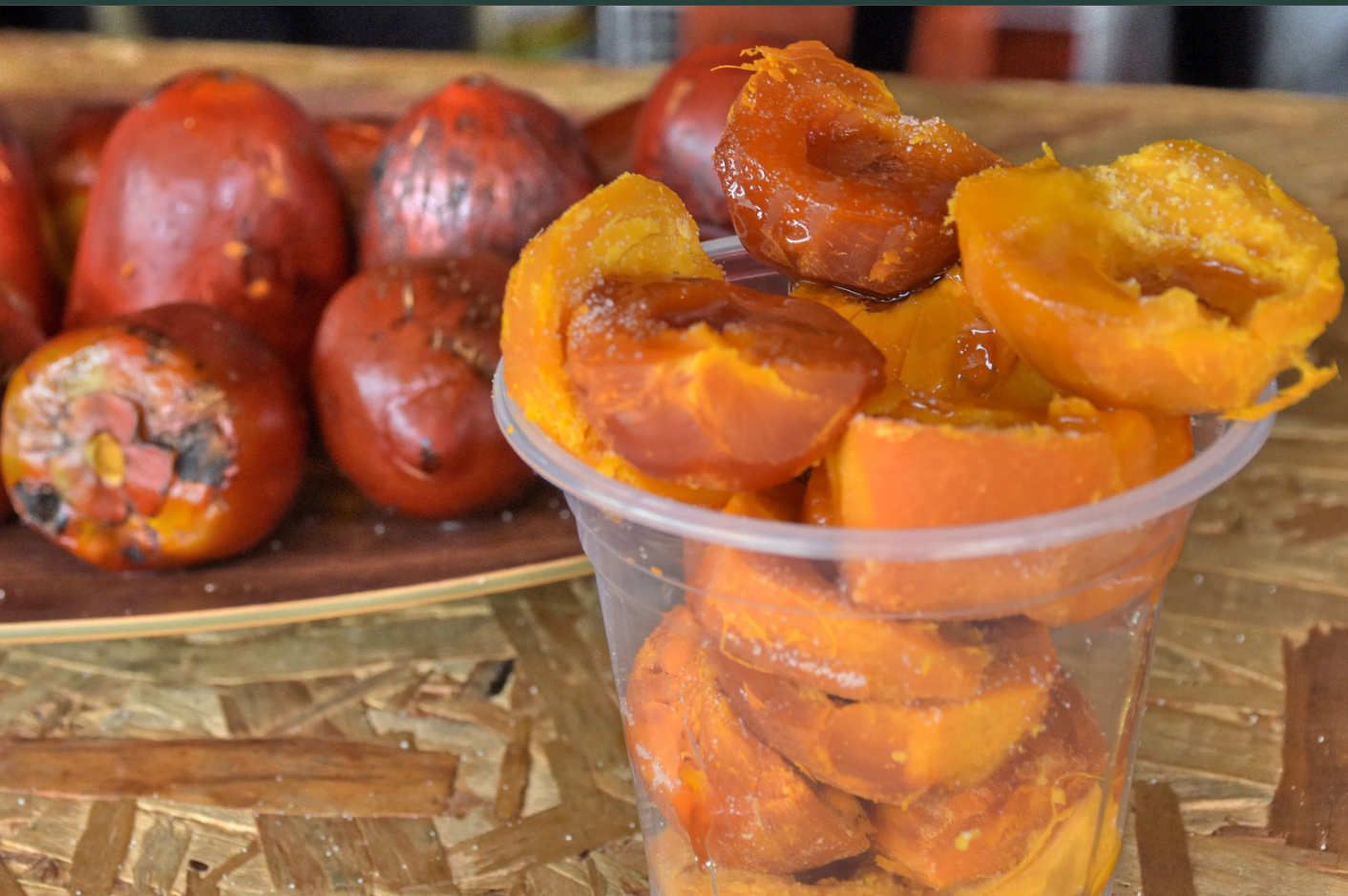 Chontaduro con miel
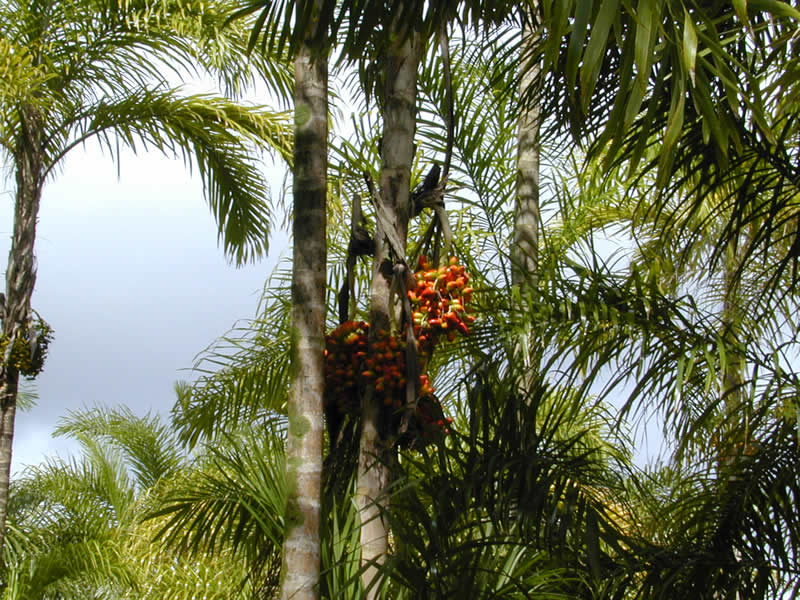 Palma de chontaduro
Preparaciones asociadas a esta especie con ingredientes y paso a paso.
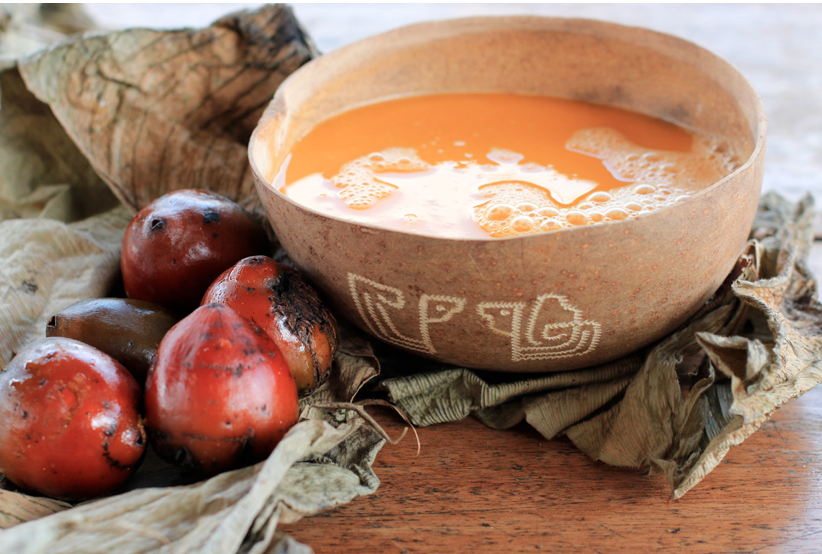
Preparación documentada en el recetario de aplicaciones culinarias para chontaduro.
Comunidad: Indígena Emberá Katío
Comunidad: Indígena Emberá Katío
Fuente: Buitrago, J. y Gómez, A. (2019). p.51
Comunidad: Indígena Emberá Katío
Fuente: Buitrago, J. y Gómez, A. (2019). p.51
La historia de la persona colaboradora puede ampliarse desde el modulo Comunidad, asociando un aporte comunitario a esta receta.
Paso 1: Se cocina, se pela, se le retira la semilla y se muele el chontaduro con la ayuda de un metate. Paso 2: se agrega en un cántaro de barro y se diluye con el agua hervida, se le adiciona la panela. Se tapa muy bien con un lienzo. Paso 3: Se deja fermentar por 4 días, después de los cuales se cuela y se sirve bien fría.